

Name
Thiudisc
Thiudisc refers to the Germanic people. ‘Thiud’ means “folk” and ‘isc’ signifies “belonging to”. In the Middle Ages, the term was used to distinguish the vernacular from Latin. During the Early Middle Ages, priests preached in Latin; the word Thiudisc appeared in texts to indicate that what was written was in the language of the people rather than in Latin. The term “thiudisc” did not denote one specific tongue, but referred collectively to the various Germanic languages spoken by the people. The earliest recorded instance of the word thiudisc appears in the proceedings of the Council of Tours in 813.
The name Thiudisc is therefore most fitting for our organisation. First, it is a term that encompasses all Germanic languages, and thus all Germanic peoples. Secondly, its two elements — “folk” and “belonging to” — reflect two of the central principles of our association. Finally, it is a beautiful word in its own right, and one that deserves to be rediscovered.
Logo

Symbol
The ropes form a bindrune, combining four Norse runes that lie at the heart of our mission into one powerful symbol.
ᚲ Kenaz
The traditional meaning of Kenaz is “torch”. It
symbolises illumination, knowledge and creativity.
ᚾ Naudiz
The traditional meaning of Naudiz is “need”. It
symbolises necessity, constraint and resilience.
ᛗ Mannaz
The traditional meaning of Mannaz is “man” or “human”.
It symbolises community, self-awareness and intellect.
ᛟ Othala
The traditional meaning of Othala is “inheritance”. It
symbolises tradition, home and heritage.
Past. Present. Legacy.
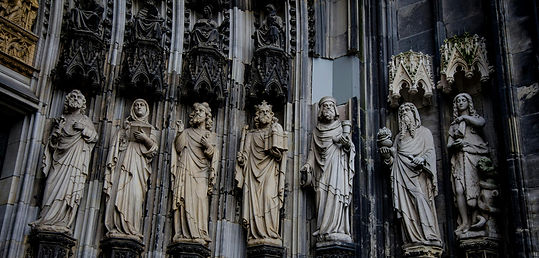
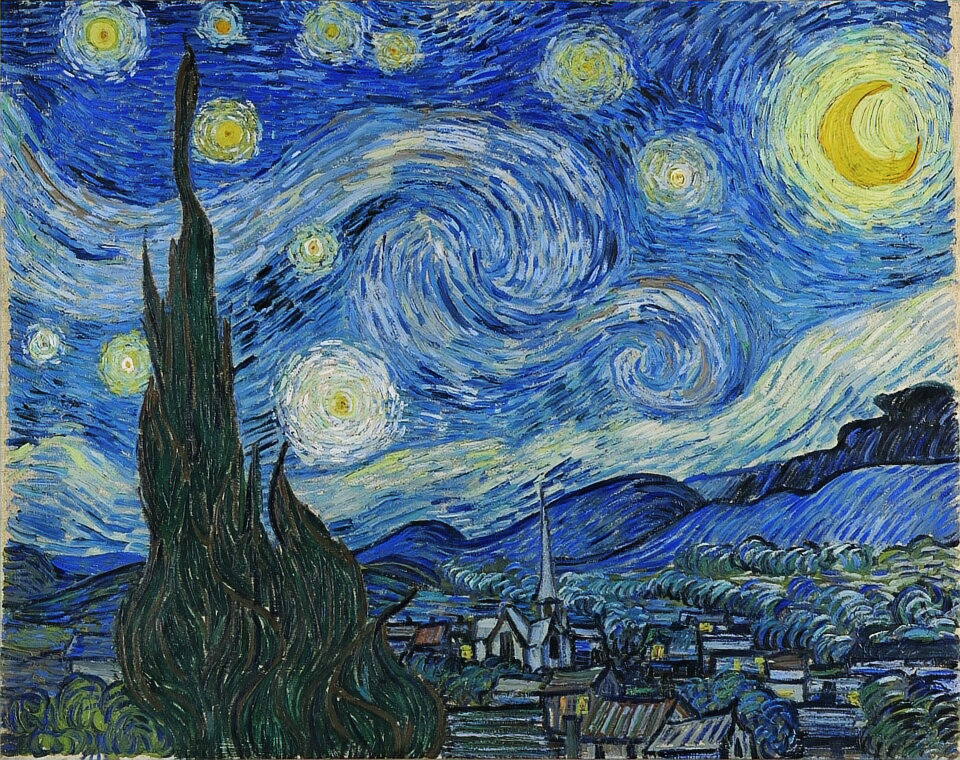
Northern and Western Europe possess a rich and distinguished heritage. The Germanic cultural tradition has exerted a profound influence on both knowledge and the arts throughout world history. From some of the greatest composers, masterful painters, and magnificent architects, to brilliant philosophers, ingenious inventors, and courageous explorers, our civilisation has produced an extraordinary legacy. We inherit a past shaped by enduring traditions, the rise and fall of kingdoms, revolutions, and countless other defining events.
Unfortunately, these aspects of our history no longer receive the recognition they deserve. We are increasingly told that our past is a dark one, inspiring more shame than pride. Piece by piece, our cultural inheritance is being eroded. Our languages are spoken less widely, our traditions continue to fade, and our artistic achievements no longer receive the appreciation they merit.
In an age of globalisation, change comes more rapidly than ever before. It is therefore important to ask ourselves what we shall leave behind. We no longer experience our culture in the way our ancestors once did. Will there be anything left for our grandchildren to inherit? If we do not restore our cultural heritage to a place of honour today, it may be lost forever. That is why we must celebrate our culture now.
Past. Present. Legacy.